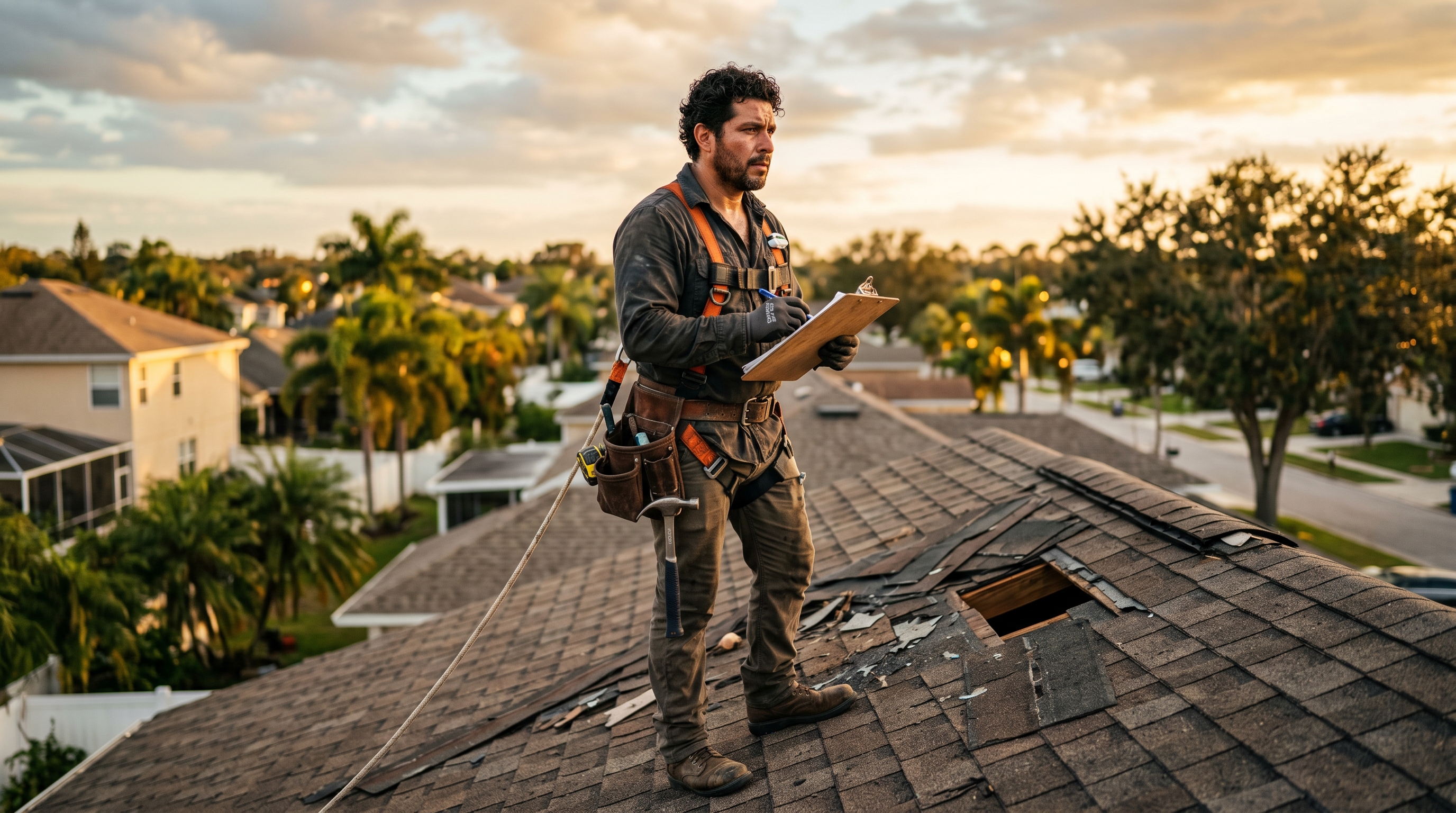
When a hail or wind storm moves through an area, dozens of homeowners check their roof the same day and call several roofing companies almost simultaneously. They are not calmly comparing quotes — they are looking for whoever picks up the phone, sends someone to look at the damage, and explains what to do about the insurance claim. The final decision is rarely won by the company with the best price; it is won by the one that showed up first with a clear answer.
That window of opportunity is measured in hours, not days. A roofing crew can do the best work in the city and still lose most of those leads simply by being slow to respond, or by lacking a triage process that separates a real emergency from an inquiry that can wait. This article explains the mechanics behind that window and where automation or AI agents genuinely help without losing it, without handing over the decisions only a human should make.
Why is the response window measured in hours, not days?
After a storm, the average homeowner does not call a single company — they call three, four, or more the same day, and often also hear from their insurance adjuster. Every call that gets a fast response lowers the anxiety of water coming through the roof, or not knowing whether the damage is covered. The first company to give a concrete answer — even if it is just "we can inspect tomorrow at 9am" — earns a level of trust the others can no longer easily match.
The structural reason is simple: the homeowner is not evaluating the quality of the work at this stage, because they have no way to compare it yet. The only thing they can judge in the first hours is the speed and clarity of the response. When a company takes half a day to return a call, that lead has already moved on to another option, even if that company was never actually better.
How should intake be structured so every storm lead gets an answer?
Triage does not need to be complex, but it does need to be consistent. Every inbound contact after a storm should go through the same base questions before being assigned to a crew or inspector, so calls can be prioritized correctly across dozens of simultaneous requests.
- Is there an active leak right now? This determines whether same-day emergency tarping is needed.
- Have you already filed an insurance claim, or do you need guidance on how to start one?
- What is the address and what type of roof do you have? (Shingle, tile, metal, membrane) — this determines which crew and materials are needed.
- When was the roof last inspected, and did you notice the damage yourself or was it flagged by a neighbor or adjuster?
- Would you prefer a callback, or would you like to schedule an inspection time directly?
Why does emergency tarping work as a trust-builder?
Placing an emergency tarp over an active leak is not just a technical step to prevent additional water damage — it is the most visible, concrete action a company can offer in the first 24 hours. Unlike a formal estimate, which can take days to prepare, tarping can be scheduled and executed almost immediately, and the homeowner experiences it as direct proof that the company delivers on what it promises.
This step also changes the relationship. Once a crew has been on the roof covering a leak, the homeowner has a real interaction with that company — not just a phone call — and is far more likely to choose it for the permanent repair or full replacement, even after collecting other quotes.
How do you keep a waitlist honest when crews are saturated?
After a major storm, it is normal for operational capacity to fill up within days. The costliest mistake at that point is not having a waitlist — it is promising timelines the company already knows it cannot meet just to avoid losing the lead. When the real timeline is known and communicated accurately, most homeowners would rather wait with clear information than discover three days later that no one is coming soon.
An honest waitlist also functions as an operational filter: it separates who needs urgent tarping today from who can wait for a full inspection next week, without sacrificing work quality to handle everything at once. Communicating position in the queue and proactively updating estimated dates dramatically reduces anxious follow-up calls, which in turn eat into the time the crew needs to actually work on roofs.
Where do automation and AI agents fit, and where must a human take over?
Automation has a clear role in first response: answering immediately, asking the triage questions, scheduling an inspection, and confirming the appointment by message, all without depending on a person being available at that exact moment. This is exactly the kind of repetitive, high-volume task where a well-configured agent cuts response time from hours to seconds without adding headcount.
But there are decisions an AI agent should not make. Quoting a final repair or replacement price requires seeing the actual damage, not a phone description. Negotiating scope of coverage with the insurance adjuster requires professional judgment and often sector-specific negotiation or claims experience. The line is clear: automation to capture, qualify, and schedule; an experienced person to inspect, quote, and negotiate with insurance.
Frequently asked questions
How much time do I really have to respond to a storm lead before losing it?
There is no universal number, but the common industry benchmark is that most homeowners have already moved forward with another company if they get no response within the first few hours of the same day. The longer it takes, the more options the homeowner has already contacted in parallel.
Is emergency tarping billed, or offered as a lead-capture service?
It depends on each company's model; some bill it as a standalone service, others include it as part of the pre-repair assessment. What matters for customer trust is not whether it is free, but that it happens quickly and is clearly explained.
Can an AI agent fully replace the intake team after a storm?
It can cover first response, initial triage, and scheduling, which is where most volume is lost. It should not replace the physical damage inspection or coverage negotiation with the insurer, both of which require human judgment.
How do I avoid promising timelines I cannot meet?
Calculate your crews' real capacity before communicating dates, and give conservative ranges rather than optimistic fixed dates. A realistic date that is slightly further out beats a tight date that later slips.